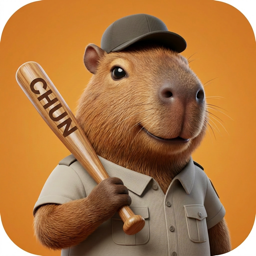
A desktop pet for Mac is a digital companion that lives on your computer screen. CHUNS combines chibi 2D hand-drawn artwork with utility, including integrated Pomodoro timers and study streaks, in a native macOS app.
The concept of virtual pets has a rich history. From the handheld keychain Tamagotchis of the 90s to desktop overlays like Neko the Cat, virtual companions have always kept computer users company. Today, digital screen pets are making a major comeback. They are particularly popular among remote workers, writers, and students who seek a comforting, low-interaction presence during long desk sessions.
How Does a Desktop Pet for Mac Work?
Traditionally, desktop pets ran as floating overlays that walked across open windows or fell from the top of the screen. While fun, they often caused performance issues on modern macOS, interfering with gestures or clogging CPU threads.
CHUNS modernizes this by anchoring your companions (like Francis, a cozy capybara) next to the macOS menu bar. This allows them to stay present and visible at all times, without getting in the way of your code editor, writing software, or browser tabs.
Key Features of Modern Desktop Pets
- Interactive Sprites: Single-click to pet, double-click to greet, and drag to reposition them anywhere on screen.
- Study Companion (Body-Doubling): Start a focus session and your pet will "study" alongside you, helping reduce the loneliness of remote work.
- Progression Loops: Completing focus goals rewards you with Stars, allowing you to unlock characters like Bling the hip hop hippo or Mochi the cozy kitten.
- iCloud Sync: Automatically synchronize your progress and streaks across all your Macs securely.
Why Nativism Matters on macOS
CHUNS is written natively in Swift 6 (SwiftUI + AppKit) and uses a 2D sprite renderer. Resource use depends on the Mac and the active animation, so it should be evaluated on the release build and the user's own hardware rather than through a universal performance promise.